SERVICE
Botox Procedure: Discover Youth and Confidence
Botox Procedure: Discover Youth and Confidence
- Smooths facial wrinkles
- Quick, non-surgical procedure
- Natural, youthful appearance
- Minimal downtime
- Long-lasting effects
Who is Botox suitable for, and when is the best time to start?
Is Botox safe?
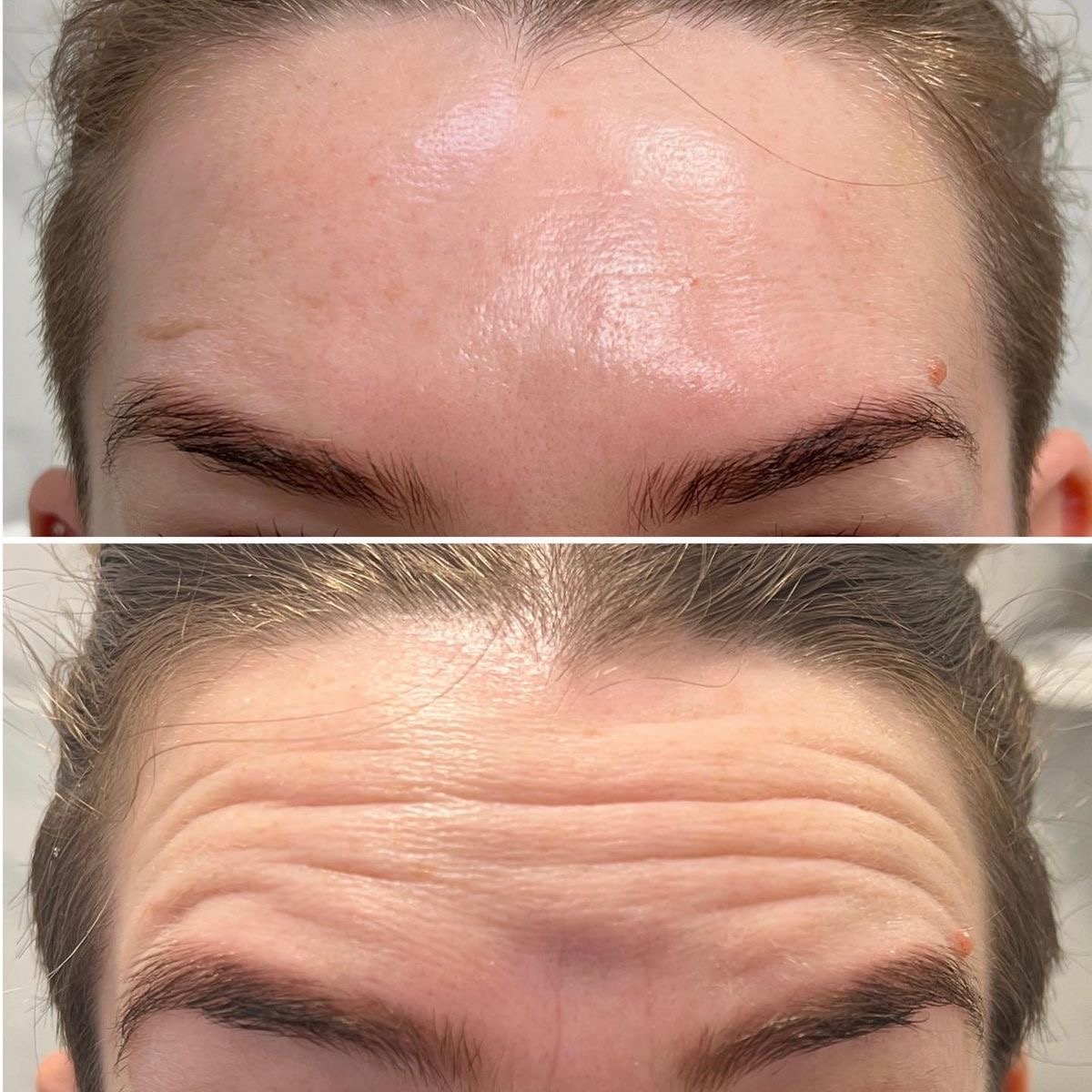
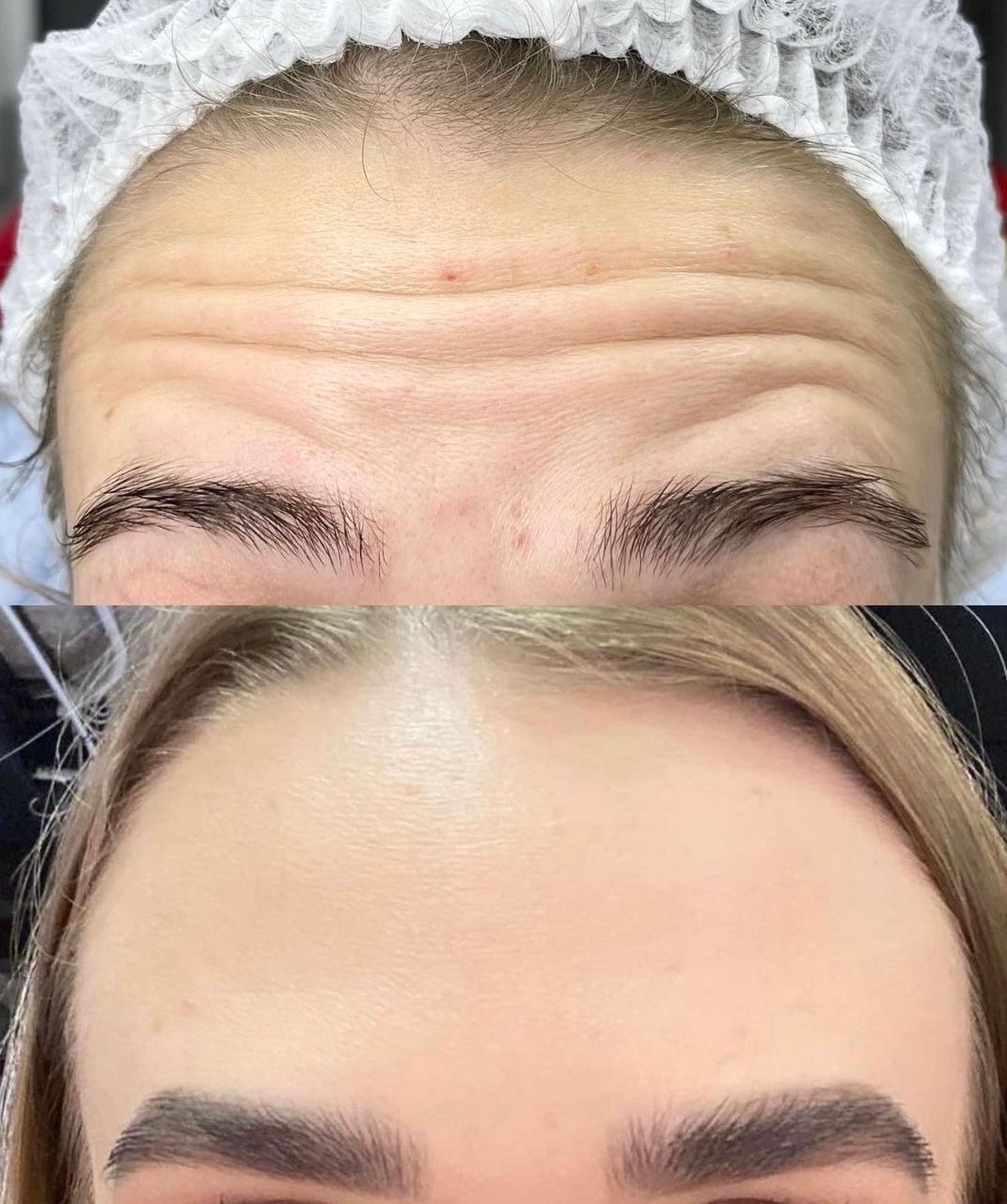
Where else is Botox used in medicine?
- Chronic Migraines: The FDA has approved Botox as an effective treatment for chronic migraines. It helps reduce the frequency of attacks by blocking pain signals from nerve endings.
- Neck Dystonia (Cervical Dystonia): Botox is an approved treatment for dystonia, a condition where patients experience uncontrolled muscle contractions in the neck.
- Strabismus and Blepharospasm: Botox is used to correct strabismus (misaligned eyes) and involuntary eyelid spasms (blepharospasm) by relaxing the affected muscles.
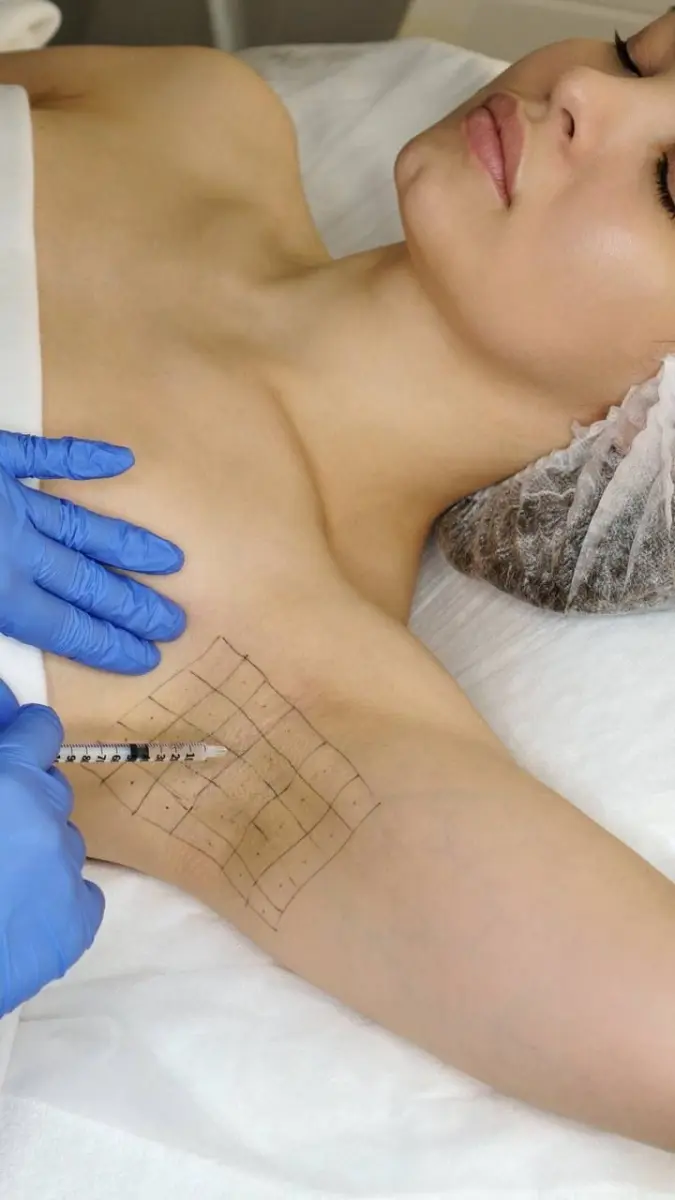
- Hyperhidrosis (Excessive Sweating): Botox blocks nerve signals to the sweat glands, which helps reduce sweating in patients with hyperhidrosis.
- Chronic Migraines: The FDA has approved Botox as an effective treatment for chronic migraines. It helps reduce the frequency of attacks by blocking pain signals from nerve endings.
- Neck Dystonia (Cervical Dystonia): Botox is an approved treatment for dystonia, a condition where patients experience uncontrolled muscle contractions in the neck.
- Strabismus and Blepharospasm: Botox is used to correct strabismus (misaligned eyes) and involuntary eyelid spasms (blepharospasm) by relaxing the affected muscles.
- Hyperhidrosis (Excessive Sweating): Botox blocks nerve signals to the sweat glands, which helps reduce sweating in patients with hyperhidrosis.
In which other cosmetic procedures is Botox commonly used?
- Rosacea: Botox helps reduce noticeable redness and vascular activity in cases of rosacea, softening symptoms by lowering blood vessel activity.
- Hyperhidrosis Treatment: Botox is especially popular for reducing sweating in areas like the underarms, palms, and soles. By blocking nerve signals, it significantly reduces perspiration.
- Botox for Acne: Some studies indicate that Botox may help reduce sebum (skin oil) production, which can decrease acne.
- Brow and Eyelid Lift: Botox is used for gentle brow lifting, giving the face a more youthful and refreshed look, and it can also help with drooping eyelids.
- Neck and Chin Toning: Known as the “Nefertiti lift,” this procedure helps tighten the skin around the neck and chin, reducing sagging.
Is Botox suitable for me?
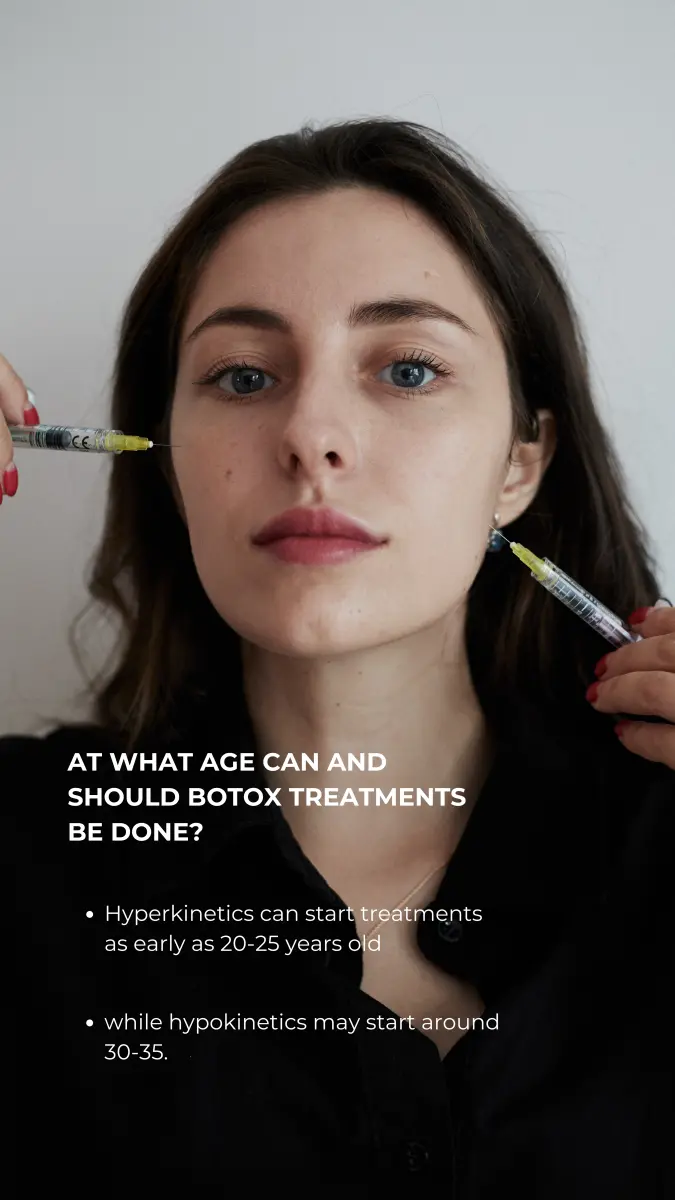
- Normokinetic (Normal Muscle Tone): For patients with balanced muscle tone, Botox helps maintain the current muscle structure, reducing wrinkles while preserving a natural expression.The best time to start doing the procedure 25-29 years old. Mostly all people.
- Hyperkinetic (Reduced Muscle Tone): With lower muscle tone. Usually these people don’t need Botox or very small doses to achieve an anti age effect. The best time for starting- 30-35 years old, but after individual consultation.
- Hypokinetic (Increased Muscle Tone): For people with stronger muscle tone, who use their expression and mimic muscles a lot -Botox is ideal for relaxing intense expressions that cause deep wrinkles, especially on the forehead and around the eyes. As a result- you will feel more relaxed and younger.
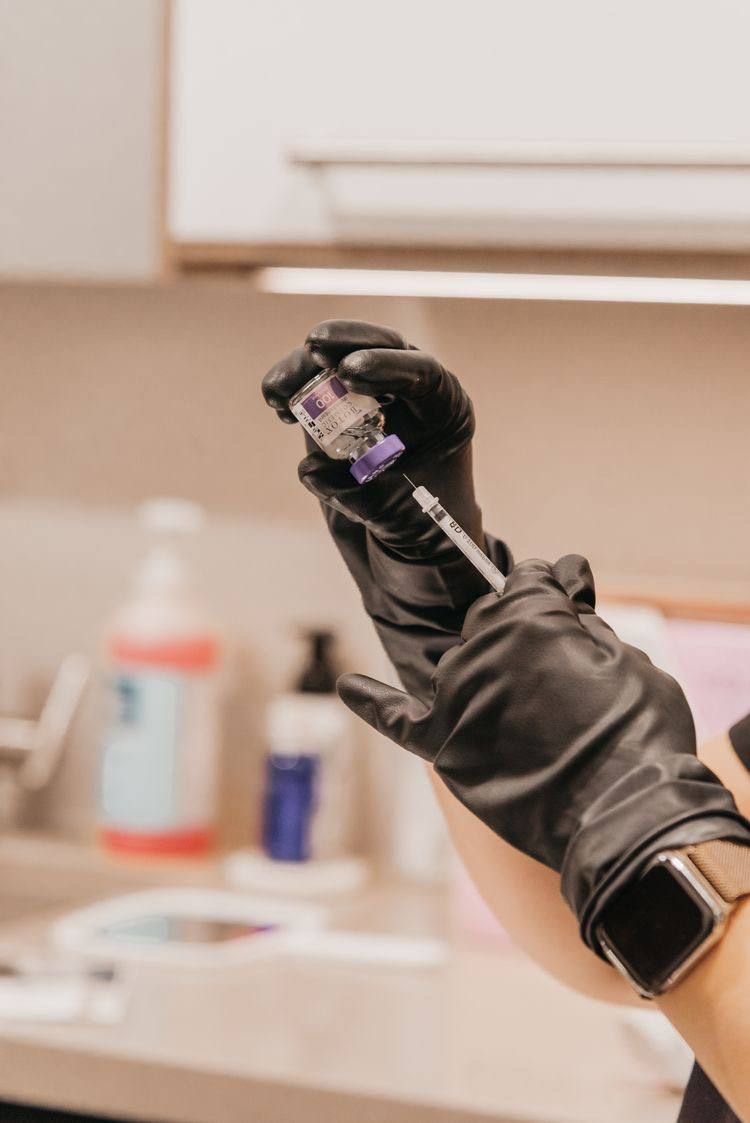
For all clients, I conduct a detailed assessment to determine the best approach based on muscle tone and other facial features, ensuring a balanced and natural result.
Personalized Approach: Custom Procedure for Every Client
My practice includes a personalized treatment plan based on each client’s unique features, muscle tone, aesthetic goals, and skin type. Before any procedure, I thoroughly analyze facial muscle activity to determine the most effective dosage and areas that need correction to achieve a natural result.
Long-Lasting Confidence with Certified Products
I use only high-quality certified products—Xeomin, Botox, and Dysport—to ensure results that are both safe and effective. Each of these products has FDA and European certifications, providing confidence along with proven effectiveness.
How Long Do Results Last?
Results depend on muscle tone:
- Normokinetic: Results usually last 3-4 months.
- Hyperkinetic: Effects may last 2-3 months due to stronger muscle activity.
- Hypokinetic: Results may last 4-5 months.
Starting Botox in Youth vs. Later in Life
Botox is most effective when used preventatively at a young age. For older patients starting Botox later, the procedure still provides improvements, but the skin and muscles may already show signs of aging, requiring additional support. Starting early helps maintain skin elasticity, allowing you to enjoy a youthful, natural appearance longer.
What Happens After 10-20 Years of Botox Use?
Studies show that long-term Botox use is safe and can actually enhance results over time. Regular Botox procedures can lead to smoother skin, fewer wrinkles, and a more youthful look, as muscles adapt to a less active state in wrinkle-prone areas. Consistent Botox use maintains the balance of skin and muscle tone without harming their natural structure.
Preparing for a Botox Procedure
- Two Weeks Before: Avoid blood-thinning medications and supplements like aspirin and vitamin E, as these may cause bruising.
- 48 Hours Before: Avoid alcohol and anti-inflammatory medications.
- Day of the Procedure: Arrive with clean skin, without makeup, and avoid intense physical activity before the procedure.
Post-Procedure Care: Maximizing Your Results
- Avoid Touching or Rubbing the Treated Area: Refrain from touching or massaging the treated area for 24 hours.
- Limit Physical Activity: Avoid intense physical activity for 24 hours.
Avoid Direct Sun Exposure: Protect your skin from the sun and avoid tanning beds for several days.
Frequently Asked Questions (FAQ)
The Botox procedure is extremely safe when performed by a qualified specialist. The products used have FDA and European Union certifications, confirming their safety and efficacy. Botox has been successfully used in medicine for decades, not only for aesthetic procedures but also for treating conditions such as migraines, muscle spasms, and other ailments.
The optimal age to start Botox depends on your individual needs and skin type, but it’s usually in the mid-to-late 20s or early 30s. Starting early helps prevent deep wrinkles and keeps skin smooth for a longer time.
The procedure is generally painless, with only slight discomfort from the needle. The entire process takes about 10-15 minutes.
Results usually become visible within 3-7 days after the procedure, with the full effect appearing after two weeks.
No. Skilled technique and precise dosing ensure a natural look without the “frozen” effect.
Yes, you can return to your usual schedule immediately, except for intense physical activities on the day of the procedure.
Long-term Botox use is safe and allows for excellent results over time. Regular treatments help muscles remain in a more relaxed state, reducing new wrinkles and promoting a youthful skin appearance. Botox does not damage muscle structure and maintains the natural balance of your skin.
Yes, Botox can help reduce redness and soften symptoms in some patients by lowering vascular activity.
Yes, Botox is effectively used to treat hyperhidrosis (excessive sweating), especially in areas like the palms, underarms, and soles. By blocking nerve signals to sweat glands, Botox significantly reduces perspiration, ensuring comfort and confidence.
The number of Botox units required varies based on the anatomical area, the strength of the targeted muscle groups, and individual patient goals. For example, treating the glabellar complex (frown lines) typically requires 20-30 units, while the lateral canthal lines (crow’s feet) often need 10-15 units per side. The frontalis muscle (forehead lines) may require around 10-20 units, depending on the muscle’s hypertrophy. A consultation with a qualified medical professional is essential to assess your unique facial musculature and determine an optimal dose, ensuring neuromodulation achieves balanced and natural-looking results tailored to your aesthetic preferences.
Botox itself is not physically addictive, meaning it doesn’t cause a chemical dependency like some medications or substances might. However, people can sometimes develop a psychological reliance on the effects of Botox, as they may become accustomed to the smoother, more youthful appearance it provides. This desire to maintain results can lead to repeated treatments, but it is not classified as an addiction in a medical sense. Each Botox treatment is temporary, lasting around 3-4 months, so many people choose to return for additional injections to maintain the effects. Regular treatments are generally safe when administered by a licensed and trained provider. However, it’s important to ensure you’re seeking Botox for the right reasons and maintaining a balanced perspective on appearance-related goals.
Your Path to Beauty and Confidence
Botox opens doors to a fresh, youthful appearance without radical changes. A professional approach and detailed assessment of your individual needs will ensure lasting results, boosting your confidence and helping you look youthful and natural.